


From the Raw to the Sewn: Why Fashion and Gastronomy Share the Same Table
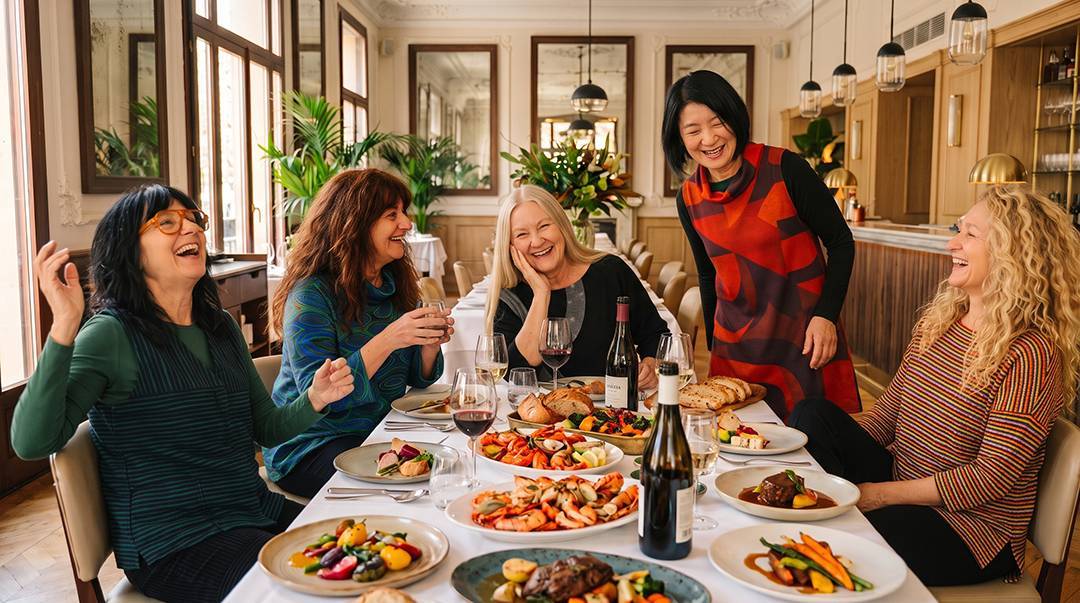
Fashion and gastronomy share a curious DNA: both were born as basic survival needs—shelter and nourishment—and humanity has transformed them into the two most universal forms of art, status, and cultural expression. Today, what we put on our plate and what we hang in our closet are declarations of intent.
Here we break down how both disciplines have intertwined throughout modern culture and why enjoying a good meal is intimately linked to the clothes we choose to wear.
1. Anthropology and Sensorial Nomenclature
In his famous 1964 essay The Raw and the Cooked, anthropologist Claude Lévi-Strauss established that the act of cooking food is the fundamental milestone marking the transition from nature to culture. Almost in parallel, semiotician Roland Barthes published The Fashion System, arguing exactly the same about clothing: once the basic need for warmth is met, clothing becomes a system of signs.
Choosing a natural fabric or ordering an organic wine are not random acts, but forms of non-verbal communication. Both disciplines allow us to express which "tribe" we belong to, what our values are, and our level of cultural maturity, without uttering a single word. This connection is so strong that visual trends constantly feed off each other. We talk about pistachio green, eggplant purple, mustard yellow, or cherry red because the language of food appeals directly to the senses, making a fabric feel almost appetizing.
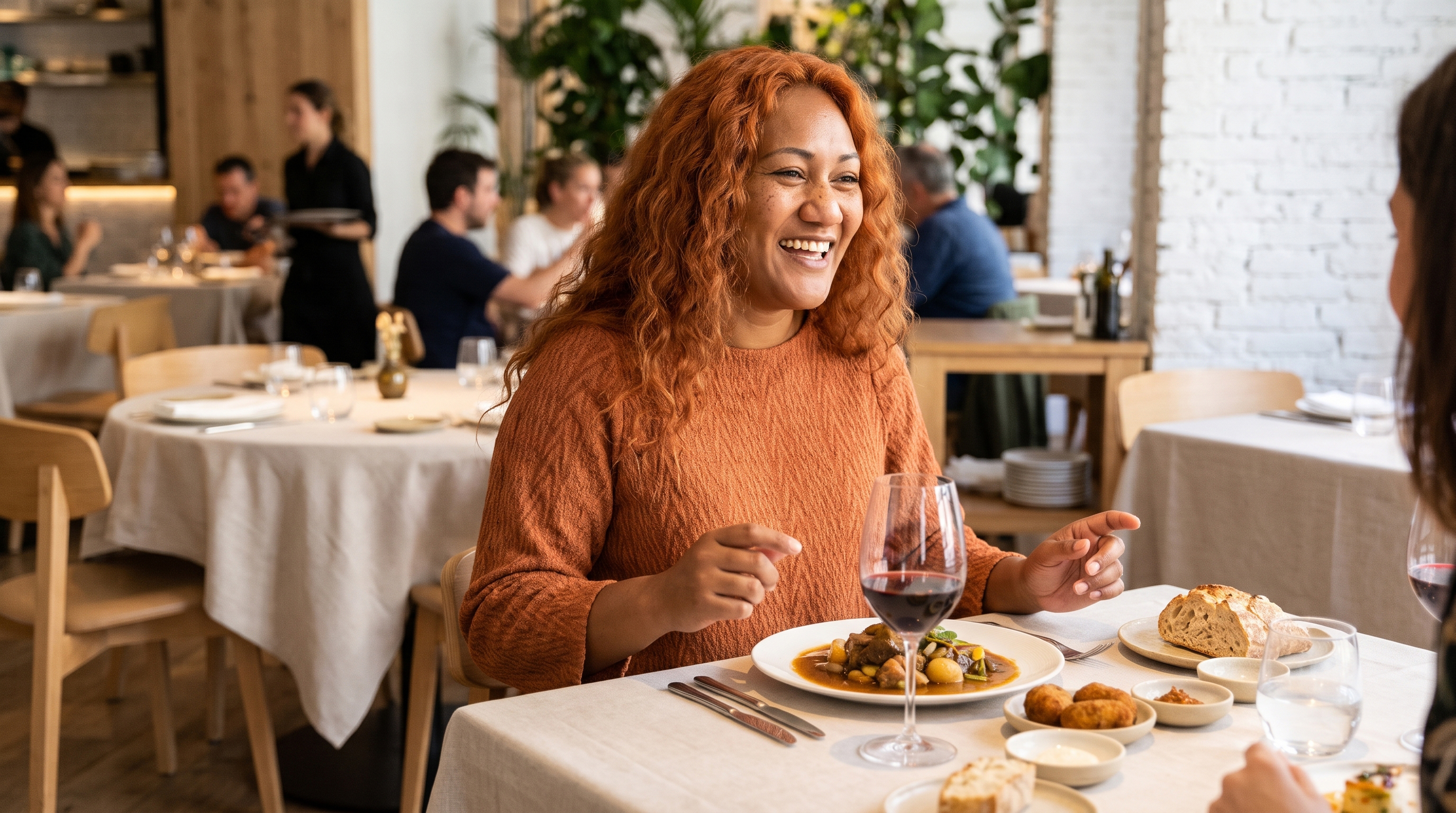
Furthermore, the ritual of gathering and celebrating is key. Think about it: when we celebrate good news or a special date, the two almost instinctive acts we perform are organizing a special meal and debuting new clothes that make us feel fantastic. Our emotional memory works this way; we often remember the most important days of our lives precisely by the taste of what we shared at the table and the garments we were wearing. That is why smart contemporary fashion designs with these moments in mind. A loose, original knit sweater is not just a garment; it is the perfect wrapping for the experience of enjoying, laughing, and sharing a good vermouth with friends in the Gràcia or Sant Antoni neighborhoods.
2. The Body, Abundance, and Size: A Story of Ebb and Flow
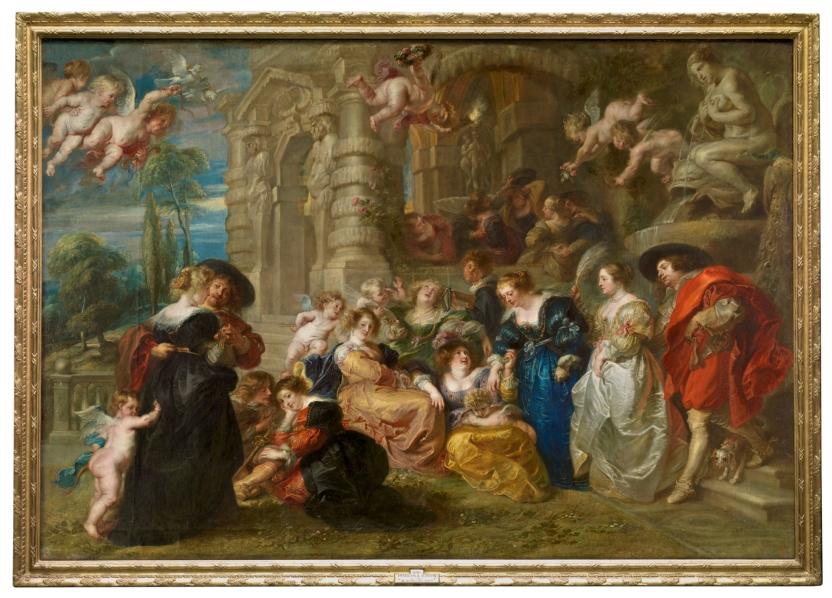
The relationship between the female bodies that fashion considered "ideal" and the availability of food has taken ironic turns throughout history. For centuries, from the Renaissance to the Baroque era, food was not guaranteed for the common people. Therefore, the Rubenesque ideal of female beauty was voluptuous and curvy. Being overweight was the ultimate symbol of status, health, and access to great banquets.
Paradoxically, when the Industrial Revolution and the subsequent fast-food industry made calories cheaper, the equation flipped. Abundant food meant that extreme thinness—from the flappers of the 1920s to the aesthetics of the 1990s—became the new status symbol, as it implied having the time and money for strict diets and restrictions.
Fortunately, today's maturity brings with it a rebellion of good eating. Understanding that bodies over fifty have history, curves, and that they change, means designing clothes for real women. Embracing plus sizes, smart patterns that don't pinch, and absolute comfort allows women to continue enjoying the pleasure of a good meal without asking for forgiveness or permission from anyone. Clothes should adapt to us, not the other way around.
3. Documented Curiosities: When Fashion and Food Collide
To add some historical perspective, there are fascinating anecdotes where these two industries have crossed paths in surreal and sometimes outrageous ways.
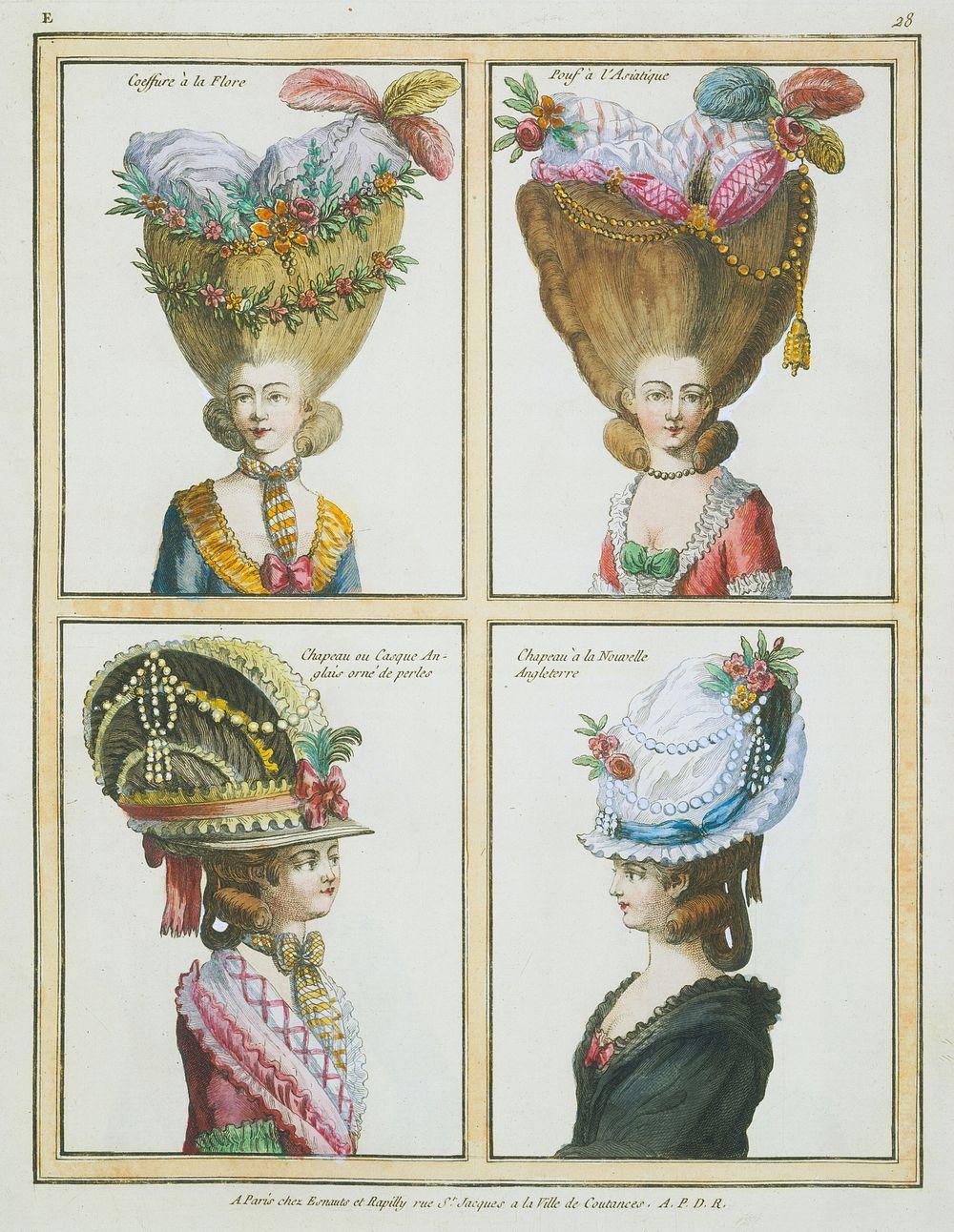
In 18th-century France, women of the court popularized towering wigs that were dusted with starch or white wheat flour to give them a powdery tone. According to Madame Campan's memoirs on the life of Marie Antoinette, in 1775 a severe grain shortage sparked the historic Flour War in Paris. Seeing the aristocracy waste valuable flour on their wigs—sometimes adorned with real fruit—while the people had no bread, was one of the cultural triggers of the French Revolution.
On a less belligerent but equally curious note, the entire history of silk haute couture depends exclusively on a very strict diet. The Bombyx mori silkworm only produces high-quality thread if it feeds solely on white mulberry leaves. If the worm eats anything else, the world is left without haute couture.
4. The Runway as Artistic Critique
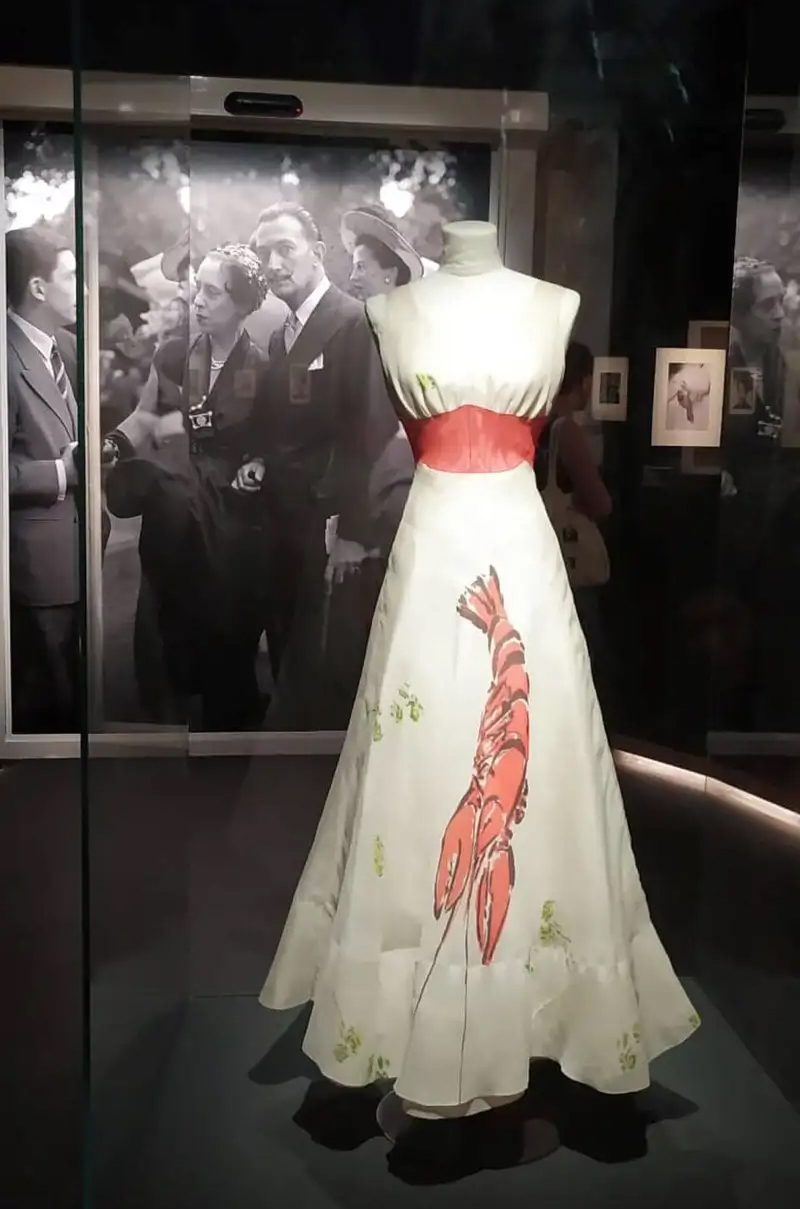
Haute couture has been sitting at the table to provoke and offer social critique for decades. The founding milestone of this marriage was the iconic Lobster Dress, created in 1937 by Elsa Schiaparelli in collaboration with Salvador Dalí. It was a slap of surrealism that proved clothing could have a sharp sense of humor and that femininity was not at odds with irony.
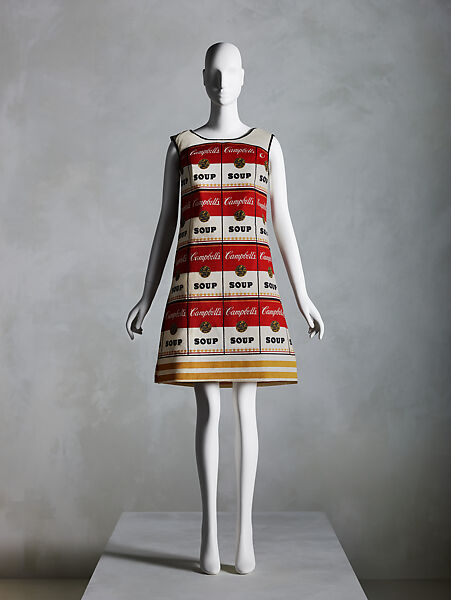
This tradition of using food to subtract solemnity from fashion remains very much alive. Thirty years later, the Pop Art movement brought us paper dresses printed with Campbell's soup cans, satirizing mass culture.
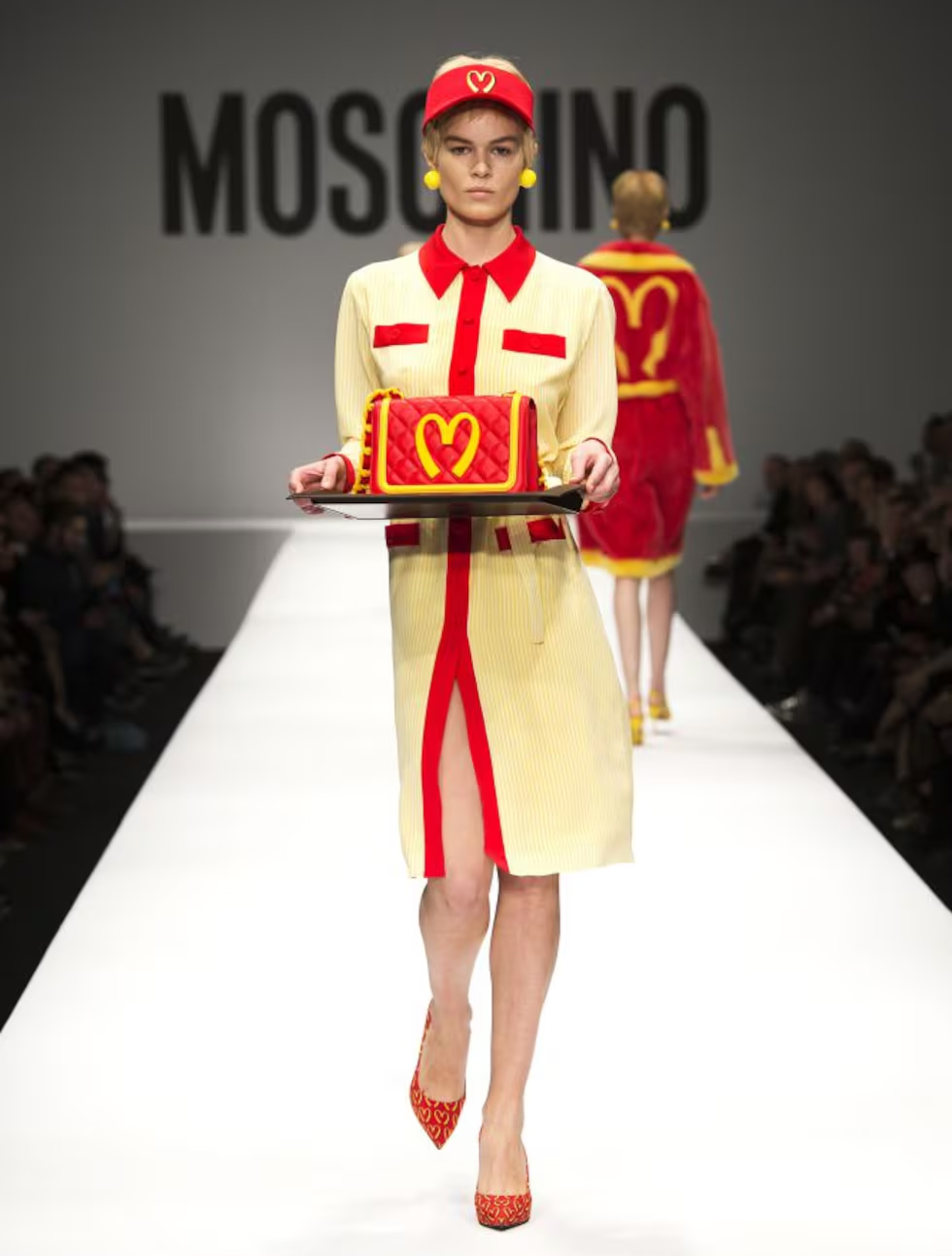
More recently, in 2014, designer Jeremy Scott for Moschino turned the golden arches and colors of major burger chains into classic tailored suits. It was a brilliant wink and at the same time a frontal critique: fast fashion and fast food joined hands as symbols of a mass consumption culture that devours trends at the same speed as empty calories.
5. The Ethical Parallel: From the Slow Movement to the Body Revolution
The rejection of this fast-consumption culture is exactly where both industries unite on an ethical and productive level. The Slow Food movement was founded in Italy in 1986 by Carlo Petrini as a protest against the opening of a fast-food restaurant on the steps of the Spanish Steps in Rome. His manifesto defended the right to gastronomic pleasure, the protection of local traditions, and the consumption of Km.0 (locally sourced) products.
Directly inspired by Petrini, British researcher and consultant Kate Fletcher coined the term Slow Fashion in 2007. Fletcher argued that fashion should adopt the same principles as ethical gastronomy: traceability, more humane rhythms, and local production. Knowing who makes your clothes in a workshop in Barcelona holds the same value as knowing who grows your food.
Historically, the traditional fashion industry has maintained a toxic relationship with food, viewing nourishment as the enemy in order to fit into unrealistic beauty standards. The infamous quote attributed to Kate Moss in the 1990s, claiming that nothing tastes as good as skinny feels, perfectly summarized this restrictive era.
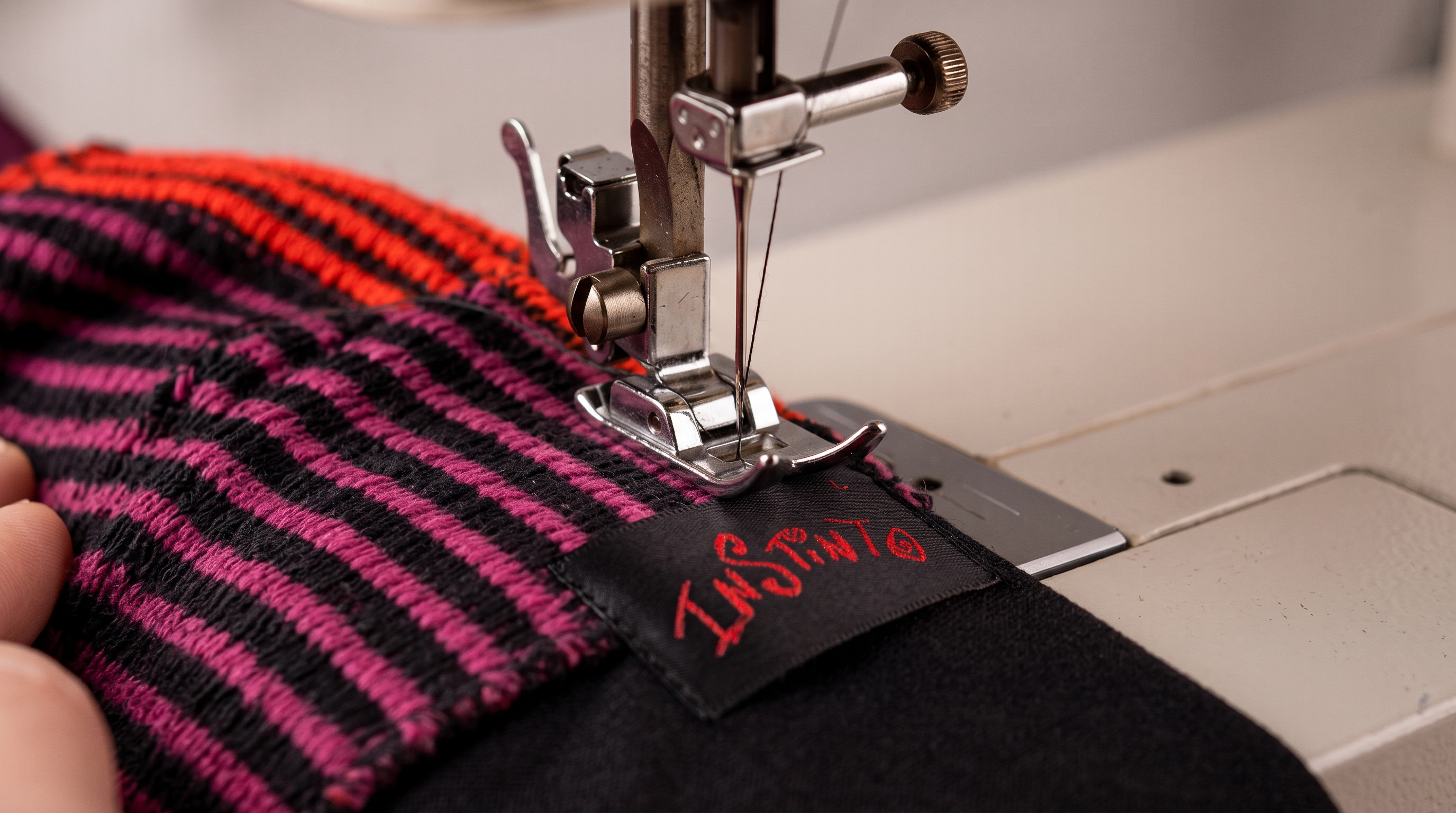
However, the current cultural paradigm shift embraces the enjoyment of life, and here food and fashion reconcile brilliantly. Smart contemporary fashion, especially that which embraces Body Positivity, designs garments—such as knitwear or adaptable patterns—that mold to a woman's body in all sizes, and not the other way around.
Reclaiming the pleasure of a good meal with friends and dressing in vibrant colors and comfortable fabrics is an act of rebellion against restrictive fashion. It is the definitive celebration of a maturity where a woman prioritizes her comfort, her intellectual activity, and her happiness above any obsolete norm.
In Same Category
- Comfortable Clothing Is the New Luxury
- The Secret Code of Your Wardrobe: The Meaning of Colors in Clothes
- Fashion and self-esteem: dressing to please ourselves, not to hide ourselves
- Essential black pieces: black top, black skirt, and black pants for a perfect wardrobe
- Wide-leg pants: the most versatile item you need in your wardrobe
Comments
No comment at this time!
Leave your comment